
How to select materials and finishes to support how you feel in your home
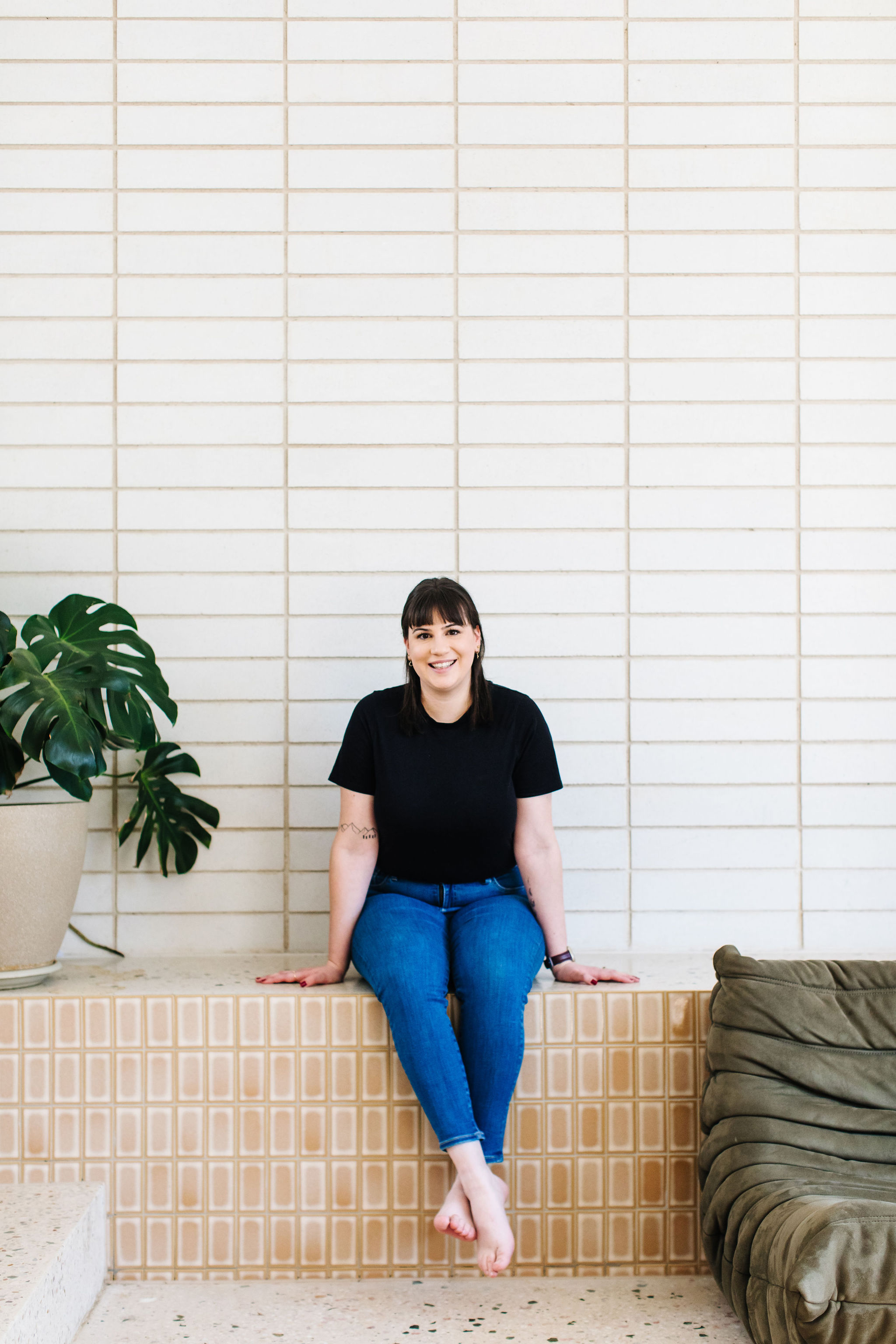
Colour, shape and texture are at the forefront of most decisions we make when it comes to the materials and finishes in our homes - whether it's furniture, joinery, tiles or tapware. When making these selections, most people focus solely on how the materials and finishes look together. Whilst that's important, being more intentional about how you want to feel in each space can help you to make better decisions and result in a home that works for you from the moment you wake up until you go to sleep.
Colour
Colours can have a huge impact on your mood and the atmosphere you want to create in a space. This is because colour has a strong tie to memory, particularly emotional memory. For example, we associate blues and greens with nature, water and trees - all spaces that feel restorative and calm. As a result, using soft or muted versions of these colours in your home can help the space feel more calm and relaxed. This is particularly helpful for a bedroom or a space you spend a lot of time in before you wind down for sleep. Darker tones can also help by creating a 'cocooning' effect in the room that feels cosy and safe - particularly when colour drenching the entire space.
In contrast, you can use brighter tones that we associate with play and fun for areas you want to feel more energised in. This is helpful for spaces where you want to work on hobbies, exercise, work or socialise - all activities that invite more stimulation and excitement. Whilst you probably don't want a kitchen to feel too loud when you are winding down in the evening, I love adding a bright pop of colour inside an appliance cupboard. This is usually one of the first places you head to in the morning to make your morning drink and breakfast, so the energising colour can help to put you in the right mood to tackle the day ahead.

Shape
Shape and form can also influence how a space feels. As with colour, we have predetermined ideas of what different shapes and forms mean to us. For example, geometric and symmetrical forms feel more clean and structured. These shapes help to make a home feel more orderly and can also help us make the most of each space as they follow the same right angles as our walls.
On the other hand, curving and organic forms feel soft and relaxed. As with greens and blues, these more dynamic shapes connect us back to nature in our minds, and they can introduce a restorative quality to any space. Overall, you want to include a combination of both types of shapes and forms throughout to create the right balance. Places where functionality is vital, like a kitchen, will have mostly straight lines but do benefit from a few rounded corners to create an inviting feel. In a lounge, lean more heavily on the organic forms to create a really relaxing and cosy atmosphere that invites conversation and connection.

Texture
We experience the world with all of our senses, and touch is a very important one. Whether we are cooking, sitting on a sofa or walking barefoot, we all enjoy the different textures around us. As a result, one of the most important rules for creating a home that feels good to be in is layering textures throughout it. This can be particularly effective when introducing natural textures like timbers, stone and linen in a space. As with colour and form, introducing textures that we associate with natural environments helps to create a sense of calm. The natural imperfections and variations of these can also add more warmth and character to the space.
When layering textures, consider introducing some contrasts between hard and soft, and glossy and matt for a richer sensory experience. As well as feeling different when we touch them, varied textures also reflect light in unique ways. Lighting plans should therefore be planned strategically to complement and feature certain textures within the space.
Selecting materials and finishes should start with understanding what makes you feel like your best self. Instead of asking yourself 'what do I like?', start by asking yourself 'how do I want this space to feel?' and see where that leads you.
Thank you for taking the time to read our blog post. Have a wonderful week!
Nina xx


Comments